

from Nature, April 17, 2012
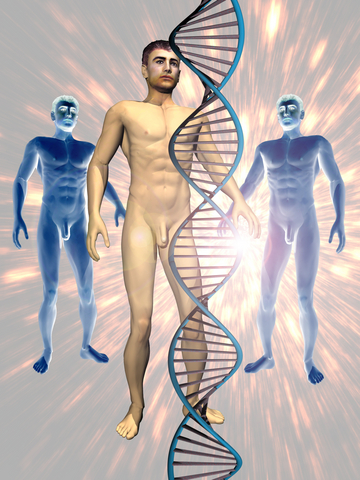
mysteries of DNA
by Ewan Callaway
Medical geneticists are giving genome sequencing its first big test in the clinic by applying it to some of their most baffling cases. By the end of this year, hundreds of children with unexplained forms of intellectual disability and developmental delay will have had their genomes decoded as part of the first large-scale, national clinical sequencing projects.
These programmes, which were discussed last month at a rare-diseases conference hosted by the Wellcome Trust Sanger Institute near Cambridge, UK, aim to provide a genetic diagnosis that could end years of uncertainty about a child’s disability….
William L. Wilson, M.D. comments:
Although it may be useful to identify specific genetic mutations associated with various learning disabilities, it’s even more important to identify possible environmental triggers of these mutations. This is especially true with conditions such as autism where the incidence appears to be increasing.
Over 15 years ago Hudson and Pope made the observation that a group of diverse conditions seem to be somehow related, including major depression, anxiety disorders, PTSD, obsessive-compulsive disorder, fibromyalgia, ADHD and eating disorders. They called this disease process Affective Spectrum Disorder but they never identified possible environmental triggers of the condition.
It now appears that certain dietary elements may play a role in this type of brain dysfunction. We now know that excessive fructose primarily from sugar and HFCS is the driving force behind insulin resistance and central obesity. When you have insulin resistance and consume high glycemic carbohydrates, you end up subjecting your brain to magnified glucose spikes. We suspect that hese toxic glucose spikes eventually trigger a disease we call Carbohydrate Associated Reversible Brain syndrome or CARB syndrome.
People with CARB syndrome can develop up to 21 brain dysfunction symptoms and because the brain plays a role in auto-regulating fat stores, they also start to store extra fat at any caloric intake. In children CARB syndrome often presents as autism or a learning disability.
If this scenario is true, then simple dietary measures may significantly reduce the incidence of common brain disorders.