

Dr. Mercola April 30, 2012
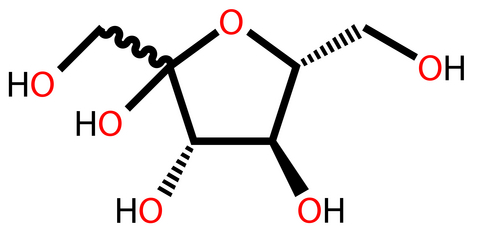
fructose structural bonds
Diet myths abound in the health industry, but one of the biggest myths of all is the idea that a calorie is a calorie, no matter where you get it from, or what the chemical or nutritional makeup of it is.
If you care about your health and are truly working to keep your weight down, then you need to know the truth about calories as well as the substances that distort how calories work in your body.
For example, sugar is one of the major health topics in the news these days, with “sugar is sugar” news updates, ads, and counter-ads.
Now, a new video, the “Skinny on Obesity”, presents a chilling awakening on weight, weight gain, and chronic diseases like dementia, cancer, and non-alcoholic fatty liver disease.
Watch it, and you may never look the same way at sugar or calories again. Your body actually treats sugar in the same way it treats alcohol and other toxins. This is in large part how sugars can damage your liver and other organs, and why Dr. Lustig refers to sugar as a toxin. I recently wrote about this at length in the article, Is Sugar Toxic?
Dr. Wilson replies:
Read this whole article and watch the video. I totally agree that the “toxic twins” fructose and glucose are behind most of the metabolic problems we now see in our patients. We evolved eating very little fructose and even though some carbohydrates–mainly vegetables and fruits, have some health benefits, carbohydrates are not an essential part of our diet because our bodies can make glucose from protein and fat through the process of gluconeogenesis.
In addition to the diseases listed in this article these toxic twins also seem to be driving the increased incidence of a long list of common brain disorders including depression (weight gain type), ADHD, PTSD, eating disorders, anxiety disorders, obsessive-compulsive disorder, bipolar II, fibromyalgia, irritable bowel syndrome, restless leg syndrome and similar conditions.
We now believe that a single disease process triggered by sugar, HFCS and high glycemic carbohydrates is driving these common conditions. Fifteen years ago Hudson and Pope from Harvard noticed that these diseases seem to be tied together and they called it Affective Spectrum Disorder. Because they never identified the underlying pathology or triggers of the condition and didn’t tie it to metabolic problems, their concept never made it out of academic medicine.
We now believe that we have addressed these deficiencies and have renamed this disease Carbohydrate Associated Reversible Brain syndrome or CARB syndrome. CARB syndrome is now likely the most common chronic disease in modern societies. It is preventable, reversible and treatable but the incidence of CARB syndrome will continue to skyrocket until we acknowledge the toxic nature of our modern diet loaded with fake food made by the Industrial Food Complex. Following the recommendations in this article is the first step in preventing or treating CARB syndrome.
Learn more: http://articles.mercola.com/sites/articles/archive/2012/04/30/fructose-and-protein-related-to-obesity.aspx