


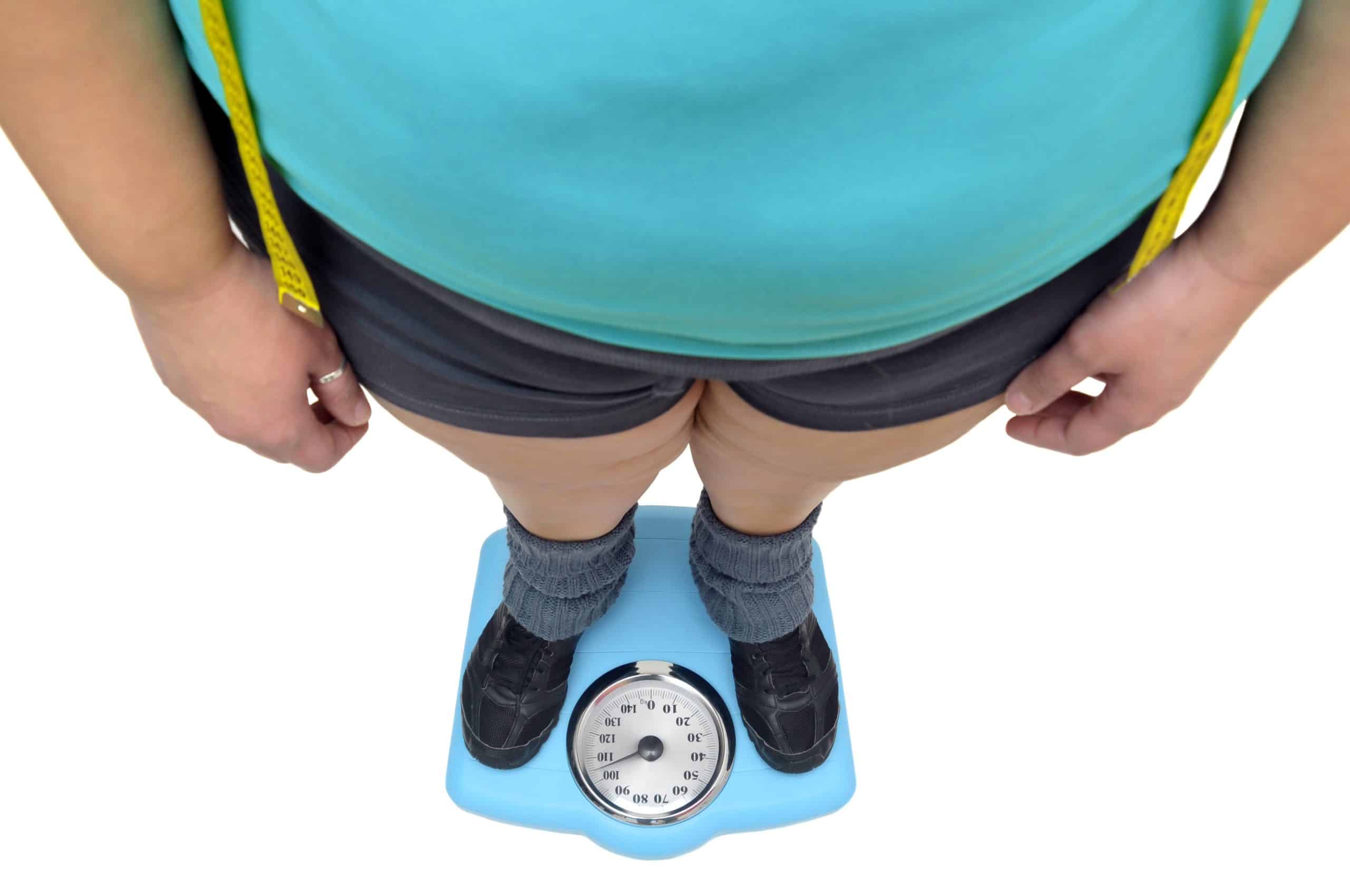
Unless you’ve been living in a cave, you are undoubtedly aware of our current obesity epidemic. This article will unravel this mystery.
Key takeaways:
- U.S. obesity rose sharply in the past 70 years, tracking with a. shift to the increased intake of ultra-processed food.
- Ultra-processed foods with excess sugar, high glycemic carbs, and omega-6 seed oils drive glucose spikes, neurotransmitter depletion, and fat storage.
- The article presents the CARB syndrome disease model, a diet-driven state that increases cravings for sweet and starchy foods and promotes weight gain.
- The suggested plan: restore neurotransmitter precursors (CARB-22 per article) and restrict ultra-processed foods and sucrose to normalize brain function and lose excess body fat.
According to the World Economic Forum, in the U.S., adult obesity rose from 11.6% in 1990 to 31.3% by 2024, while childhood obesity increased from about 5.5% in the mid-1970s to over 20% in 2023. Before the past 70 years, the obesity rate remained low and relatively stable. What the heck is going on? I decided to ask AI and received this answer:
The reasons for the increasing prevalence of overweight and obesity are complex and multifaceted. Some of the key factors contributing to this trend include:
Dietary Factors:
- Increased consumption of processed foods, sugary drinks, and unhealthy fats
- Larger portion sizes
- Lack of access to affordable, nutritious foods
Physical Activity:
- Reduced physical activity levels due to sedentary lifestyles, such as spending more time sitting at work, watching TV, or using electronic devices
- Lack of safe and accessible places to exercise
Environmental Factors:
- Availability of cheap and convenient unhealthy foods
- Marketing and advertising of unhealthy food products
- Lack of access to healthcare and obesity prevention programs
Genetic Factors:
- Some individuals may have a genetic predisposition to gaining weight more easily
Other Factors:
- Emotional eating and stress
- Certain medications can cause weight gain
- Medical conditions, such as hypothyroidism and polycystic ovary syndrome
It’s important to note that obesity is not a simple issue with a single cause. Instead, it is a result of the interplay of multiple factors that vary from person to person.
Why Weren’t the Ancient Greeks Obese?
I don’t know about you, but this sounds like something my 11-year-old daughter would write! What the heck is “the interplay of multiple factors that vary from person to person”? The so-called experts target highly palatable foods that combine high levels of fat, sugar, carbohydrates, and/or salt, triggering the brain’s reward system and making them intensely desirable and difficult to stop eating. Wait a minute—we’ve had plenty of sugar, fats, and carbohydrates in our diets for eons. We have a home in Greece, and they’ve been eating this stuff for thousands of years with negligible levels of obesity until recently. Once again, I checked in with AI:
In the past, Greeks did not experience high rates of obesity despite consuming highly palatable foods due to a combination of factors related to their traditional diet and lifestyle. These traditional elements created a balance of moderate portions, high-quality ingredients, and a physically active lifestyle, which prevented excess weight gain.
I don’t know about you, but to me, this is more blah, blah, blah. The traditional Greek diet, also known as the Mediterranean diet, consisted of whole foods prepared in a manner that promoted optimal metabolic health.
The Toxic Triple Whammy
For the past 70 years or so, we have been mainly consuming ultra-processed foods that combine these key elements:
- Excess sugar.
- High-glycemic carbohydrates.
- omega-6 fatty acids from seed oils in excess of omega-3 fatty acids.
These foods can cause significant glucose spikes followed by a drop in glucose levels below normal. We now know that these glucose spikes cause excess release of monoamine neurotransmitters from neurons, overwhelming the reuptake-recycling system. These essential chemicals, such as serotonin, dopamine, norepinephrine, and epinephrine, are then broken down by enzymes such as MOA-A, MOA-B, and COMT. When you eat that donut, you end up depleting these key chemical messengers. Eventually, insulin resistance arrives on the scene, and your brain’s ability to produce more monoamine neurotransmitters gets overwhelmed. You ultimately end up with low levels of these essential messenger chemicals. This results in a long list of brain dysfunction symptoms that overlap with symptoms of uncommon classic brain disorders, creating massive diagnostic and therapeutic confusion.
For example, major depression has always been rare and is associated with loss of appetite and weight loss. If you didn’t waste away, you couldn’t get the diagnosis of major depression. Over the past 70 years, we’ve been seeing a lot of folks who seem to be depressed, but they have an increased appetite and weight gain. The donut-chomping folks at DSM decided to call this form of depression “atypical depression”. I have news for you—atypical depression is diet-induced and has absolutely nothing to do with major depression.
A New Disease Model
The glucose spikes caused by eating this food are always followed by a drop in glucose below normal. Our brains evolved to read such low levels as a sign that a famine might be coming. Your brain then puts you in a famine-protective metabolic state, where you store excess fat at almost any level of caloric intake. This process clearly fits the pattern of a disease I call Carbohydrate Associated Reversible Brain syndrome or CARB syndrome. The lead symptom of CARB syndrome is having intense cravings for sweet and starchy food, pushing you to consume more of the very food that is frying your brain! If you seem to be storing too much body fat, go through the 22 symptoms of CARB syndrome to see if you might be a victim of this common condition.
Fix Your Brain, Regain Your Health
If this disease seems to fit, you need to work to reverse this pathological process aggressively. The first step is to take a supplement like CARB-22, which provides precursors to help restore neurotransmitter levels, such as dopamine, serotonin, norepinephrine, and epinephrine. This should help reverse your CARB syndrome symptoms, including your cravings for sweet and starchy food. You then need to severely restrict your intake of ultra-processed food and sucrose (sugar). When you do so, your brain function should slowly return to normal, and you should slowly lose excess body fat. If everyone with obesity followed this plan, our obesity epidemic would soon become a distant memory. This approach will also help you to prevent CARB syndrome if you don’t already have it. What could be better than that?
Frequently Asked Questions About CARB Syndrome and Obesity
Q: What is CARB syndrome?
A: CARB syndrome, or Carbohydrate Associated Reversible Brain syndrome, is described as a diet-induced brain disorder. It is linked to repeated glucose spikes and dips from ultra-processed foods, which the article says deplete key monoamine neurotransmitters. Low levels of these chemicals can drive cravings for sweet and starchy foods and promote fat storage.
Q: How do ultra-processed foods contribute to obesity in this model?
A: Ultra-processed foods often combine excess sugar, high-glycemic carbohydrates, and high omega-6 seed oils. This mix causes sharp glucose spikes followed by dips below normal. The brain interprets these dips as a threat, shifts into a fat-storing state, and neurotransmitter stores get depleted, which increases cravings and weight gain.
Q: How does “atypical depression” fit into this framework?
A: Classic major depression has been rare and typically involves weight loss. The author argues that many modern cases labeled “atypical depression” involve increased appetite and weight gain due to diet-driven brain changes. In this view, atypical depression is diet-induced and separate from classic major depression.
Q: What steps does the article recommend to reverse CARB syndrome?
A: The article recommends two main steps: use a supplement with neurotransmitter precursors (CARB-22, per the site) to help restore dopamine, serotonin, norepinephrine, and epinephrine, then sharply reduce ultra-processed foods and sucrose intake. Over time, brain function is expected to normalize and excess body fat should decrease.
Q:Why didn’t traditional Greek diets produce high obesity rates?
A: The article notes that traditional Greek eating patterns emphasized whole foods, moderate portions, and active lifestyles. These habits supported metabolic health and helped prevent overeating, which kept obesity rates low until recent dietary shifts.
* Be sure to consult your clinician before taking supplements, especially if pregnant, on medication, or managing conditions. I am the developer of CARB-22 and sell it to the public.


